The Community Schools at Opportunity Farm and Camden offer relational learning programs that transform the nature of a high school education by providing students with the skills and experience necessary to discover their strengths, connect with their families, practice personal responsibility, and contribute to their communities, and which culminate in awarding a high school diploma from the State of Maine.
The Community School is nationally recognized and a model alternative education institution, respected not only for the difference it has made in the lives of its students, but also for the contributions made to the local community. The school’s philosophy of relational education is carried through in practice by a talented, dedicated and supported faculty developing creative learning opportunities for students.
In addition to overseeing governance, fundraising to support the school’s annual operating budget is a primary responsibility of the board of directors and is coordinated by a full-time development director and administrative assistant. These efforts are enhanced by an expanded and energized National Advisory Board. It will be a goal to cultivate a number of new major donors, including national foundations as well as increased governmental funding with annual fundraising having risen and an endowment of more than $1.5 million to be established.
Hopes and dreams – Innovative programs such as a student-run business have been created as teaching tools and as a source of income. Additional capital funds are raised to support faculty, equipment and technology needs, In appreciation of the role played by the Community School in their lives, graduates and their parents are actively involved in both fundraising and advocating for alternative education programs statewide.
The Community School’s core values form the foundation of our ongoing practice of building community and connectedness inside and outside of our school.
Respect: We expect each member of our school community to treat all other members respectfully and with compassion.
Relationship: The foundation of our teaching approach lies in the establishment and maintenance of positive, mutual relationships. Sustaining these relationships requires that we devote resources, energy and attention to them on an ongoing basis.
Accessibility and Diversity: It is our intention to remain accessible to students who most need our school. We continually strive to eliminate financial, geographical, cultural, and other barriers in order to create a school community that is open and welcoming to all who might benefit.
Joyful and Lifelong Education: We believe that education based on a nonjudgmental, welcoming approach rekindles the joy of learning for our students and faculty. We also believe that an education founded on the principles of acceptance and joy fosters lifelong connections and learning for students and faculty alike.
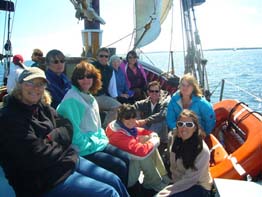
The Community School Staff
” The common sense and the uncommon compassion of the Community School has improved hundreds of young lives and enriched the surrounding neighborhoods.”
– Former U.S. Senator George J. Mitchell

